Essential Gear for Aspiring Photographers: A Guide

Photography is more than just a hobby; it’s a passion that allows individuals to capture moments, express creativity, and tell stories through images. For those just starting their journey into photography, having the right gear can make a significant difference in the quality of their work and the enjoyment of the process. This guide will explore the essential gear every aspiring photographer should consider, from cameras to accessories, ensuring you have everything you need to embark on your photographic adventure.
Understanding Your Photography Needs
Before diving into the specifics of gear, it's crucial to understand your photography needs. Different styles of photography require different equipment. Here are a few questions to consider:
What type of photography are you interested in? (e.g., landscape, portrait, street, wildlife)
What is your budget?
Are you looking for portability or do you prefer a more robust setup?
Answering these questions will help you make informed decisions about the gear that will best support your photographic journey.
Cameras: The Heart of Your Gear
DSLR vs. Mirrorless
When it comes to choosing a camera, aspiring photographers typically face the choice between a Digital Single-Lens Reflex (DSLR) camera and a mirrorless camera. Each has its advantages:
DSLR Cameras
- Pros: Excellent battery life, optical viewfinder, and a wide range of lenses available.
- Cons: Bulkier and heavier compared to mirrorless options.
Mirrorless Cameras
- Pros: Compact size, lightweight, and often have advanced features like faster autofocus.
- Cons: Battery life can be shorter, and lens options may be limited depending on the brand.
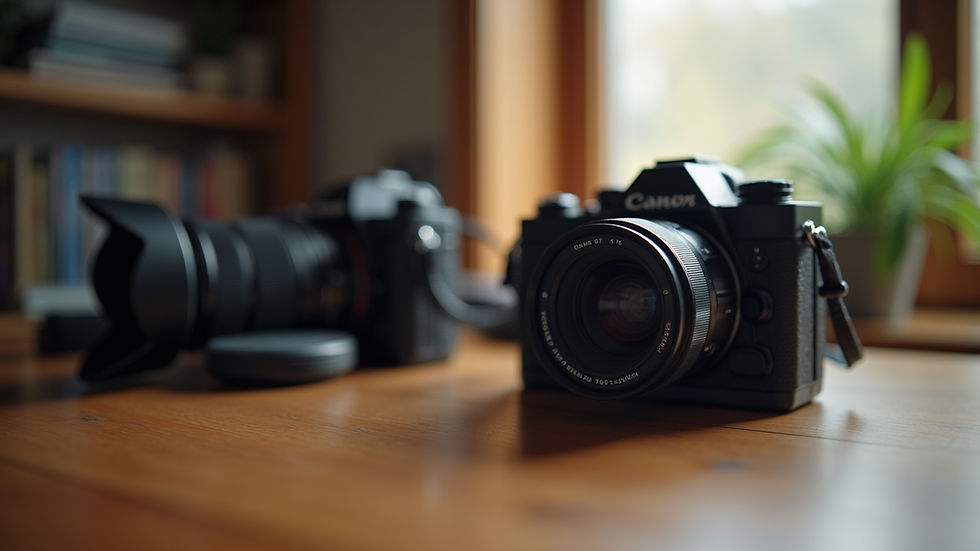
For beginners, a good entry-level DSLR or a mirrorless camera with interchangeable lenses is a solid choice. Popular models include the Canon EOS Rebel series for DSLRs and the Sony Alpha series for mirrorless.
Compact Cameras
If you prefer something more portable, compact cameras or point-and-shoots can be a great option. They are easy to use and often come with built-in zoom lenses, making them ideal for casual photography. Look for models with manual settings if you want to learn more about photography techniques.
Lenses: Expanding Your Creative Possibilities
The lens you choose can dramatically affect the quality and style of your photos. Here are a few essential types of lenses to consider:
Standard Zoom Lens (e.g., 18-55mm)
- Great for everyday photography and versatile enough for various situations.
Prime Lens (e.g., 50mm f/1.8)
- Known for their sharpness and ability to perform well in low light. They also create beautiful background blur (bokeh).
Wide-Angle Lens (e.g., 10-18mm)
- Perfect for landscape photography, allowing you to capture more of the scene.
Telephoto Lens (e.g., 70-300mm)
- Ideal for wildlife or sports photography, enabling you to shoot subjects from a distance.
Investing in a couple of quality lenses will give you the flexibility to explore different styles of photography.
Tripods: Stability is Key
A tripod is an essential tool for any photographer, especially for those interested in landscape or night photography. It provides stability, allowing for longer exposure times without the risk of camera shake. Here are some factors to consider when choosing a tripod:
Material: Aluminum tripods are sturdy and affordable, while carbon fiber models are lightweight and more expensive.
Height: Ensure the tripod can extend to a comfortable height for your shooting style.
Weight: If you plan to hike or travel, a lightweight tripod is essential.
Camera Bags: Protecting Your Gear
A good camera bag is crucial for protecting your equipment while on the go. Look for bags that offer:
Padding: To protect your camera and lenses from bumps and drops.
Weather Resistance: To keep your gear safe from rain or dust.
Organization: Compartments for easy access to your camera, lenses, and accessories.
Choose a bag that fits your style, whether it's a backpack, messenger bag, or a traditional camera bag.
Essential Accessories
Memory Cards
Invest in high-quality memory cards to ensure you have enough storage for your photos. Look for cards with fast write speeds, especially if you plan to shoot in RAW format or record video. A capacity of at least 64GB is recommended for beginners.
Extra Batteries
Photography can be demanding on battery life, especially during long shoots. Having extra batteries on hand ensures you won’t miss a moment due to a dead battery.
Lens Cleaning Kit
Dust and smudges can ruin a great shot. A lens cleaning kit typically includes a microfiber cloth, lens brush, and cleaning solution to keep your lenses in top condition.
Filters
Filters can enhance your photography in various ways. Here are a few types to consider:
UV Filter: Protects your lens from scratches and dust.
Polarizing Filter: Reduces glare and enhances colors, especially in landscape photography.
ND Filter: Allows you to use slower shutter speeds in bright conditions, perfect for creating motion blur in water.
Lighting Equipment
Natural light is fantastic, but sometimes you need a little extra help. Here are some lighting options to consider:
External Flash
An external flash can provide additional light when shooting in low-light conditions. Look for models that can be adjusted for different angles and intensities.
Reflectors
Reflectors are a cost-effective way to manipulate natural light. They can bounce light back onto your subject, filling in shadows and creating a more balanced exposure.
Continuous Lighting Kits
For indoor photography or studio work, continuous lighting kits can provide consistent lighting. These kits often include softboxes or LED lights that can be adjusted for brightness and color temperature.
Editing Software
Post-processing is an essential part of photography. Investing in good editing software can help you enhance your images and bring your creative vision to life. Popular options include:
Adobe Lightroom: Great for organizing and editing photos with a user-friendly interface.
Adobe Photoshop: Offers advanced editing capabilities for more complex adjustments.
Capture One: Known for its powerful color grading tools and tethering capabilities.
Conclusion
Embarking on your photography journey can be incredibly rewarding, especially when you have the right gear to support your creativity. From selecting the perfect camera and lenses to investing in essential accessories, each piece of equipment plays a vital role in your development as a photographer.
As you explore the world through your lens, remember that the most important aspect of photography is not just the gear you use but the stories you tell through your images. So, gather your gear, get out there, and start capturing the beauty around you!

Comments